

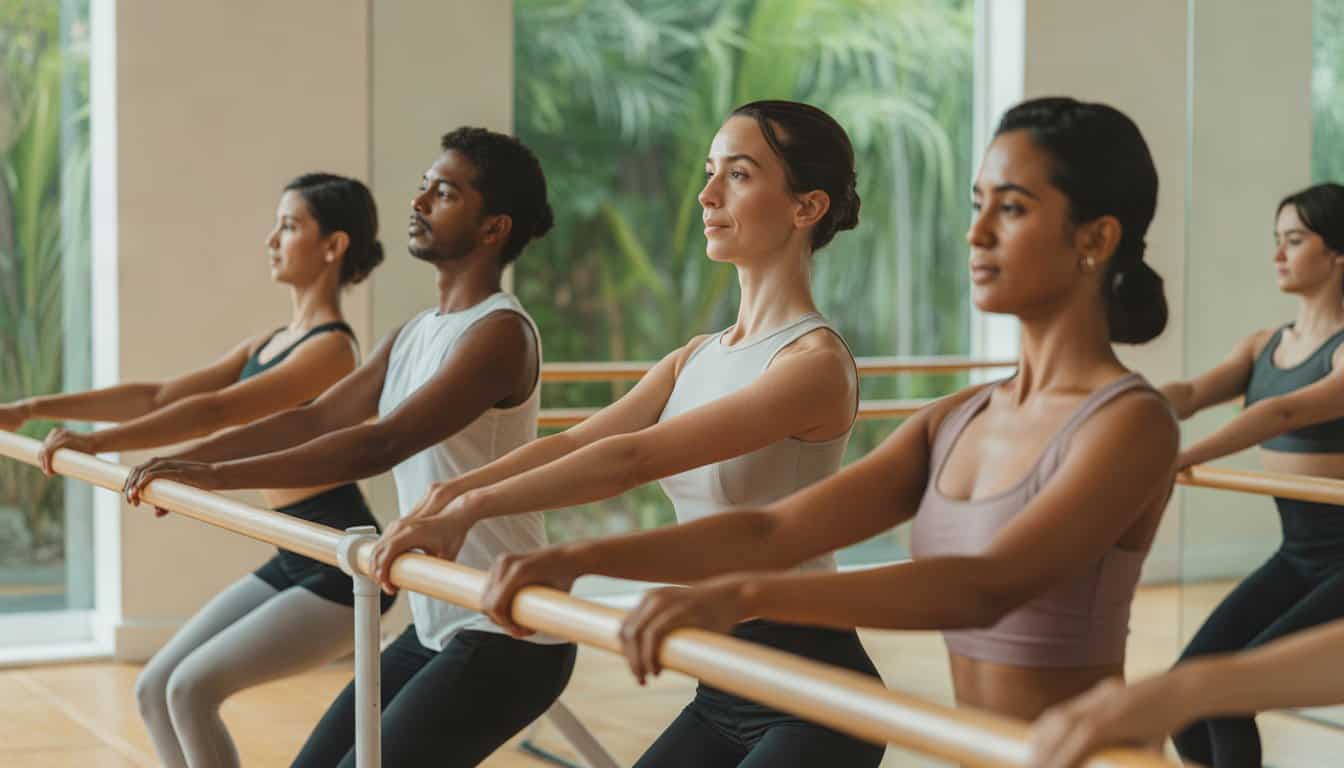
Barre Pilates vs Traditional Pilates: What Sets Them Apart
Barre pilates has gained attention because it blends the precision of pilates with the pulse-raising energy of ballet-inspired movement. For learners who want to improve skill, the comparison with traditional pilates is useful: both methods build control, posture, and core strength, but they do so in noticeably different ways. Traditional pilates usually stays closer to controlled mat or machine-based movement, while barre pilates often adds small, repeated, and ballet-like exercises that challenge balance and muscular endurance.
The difference is not only in appearance, but also in how the body is asked to work. Traditional pilates tends to focus on alignment, stability, and mindful breathing with deliberate transitions. Barre pilates, on the other hand, often creates a faster rhythm and longer time-under-tension, which can make the workout feel more dynamic. According to the American Council on Exercise, pilates-based training can improve core endurance and posture when practised consistently, while ballet-inspired conditioning can place greater emphasis on lower-body endurance and balance (ACE Fitness). Related source: barre class KL.
For beginners and intermediate learners alike, the best choice depends on personal goals. Someone seeking a calm, technical practice may prefer traditional pilates, while someone who enjoys graceful, energised movement may find barre pilates more motivating. Both styles can support better body awareness, and both reward consistency.
How Barre Pilates Builds Strength, Control, and Confidence
One of the strongest advantages of barre pilates is how it trains multiple qualities at once. It does not rely on heavy weights or dramatic movements; instead, it uses pulses, holds, and small range-of-motion work to challenge the muscles deeply. This makes it especially appealing to people who want a low-impact format that still feels demanding and purposeful.
Compared with many conventional strength workouts, barre pilates often places more emphasis on endurance than on maximal force. The result is a style that may help participants feel more stable in the hips, legs, and core, while also encouraging better posture through the upper body. Research on pilates-style exercise has shown improvements in trunk stability, flexibility, and functional movement outcomes across different populations (PubMed).
There is also a mental benefit to the method. The combination of rhythm, focus, and controlled repetition can make progress feel measurable and encouraging. As skill improves, the learner may notice cleaner transitions, deeper control in holds, and less wobble in standing work. That sense of mastery can be especially motivating for those who prefer technique-driven exercise over high-impact conditioning.
Choosing Barre Pilates for Your Fitness Goals
Barre pilates suits people who value a workout that feels elegant, structured, and challenging without being overly aggressive. It can be a strong option for those aiming to improve coordination, posture, core engagement, and lower-body endurance. Because it often combines the discipline of pilates with the artistry of barre, it offers a balanced middle ground for learners who want variety without losing form.
It may also be easier to stay consistent with than more intense routines, especially when the experience feels enjoyable and approachable. A person who appreciates music, repetition, and visible refinement in movement may find barre pilates particularly rewarding. At the same time, those who want deeper technical work can pair it with traditional pilates sessions to strengthen alignment and movement quality even further.
Ultimately, the best fitness method is the one that can be sustained. Barre pilates stands out because it encourages that consistency through its uplifting pace and accessible challenge. For anyone looking to improve skill while building a stronger, more composed body, it offers a clear and inspiring path forward.